How to Mine Bitcoin for Profit: A Realistic Guide for 2024
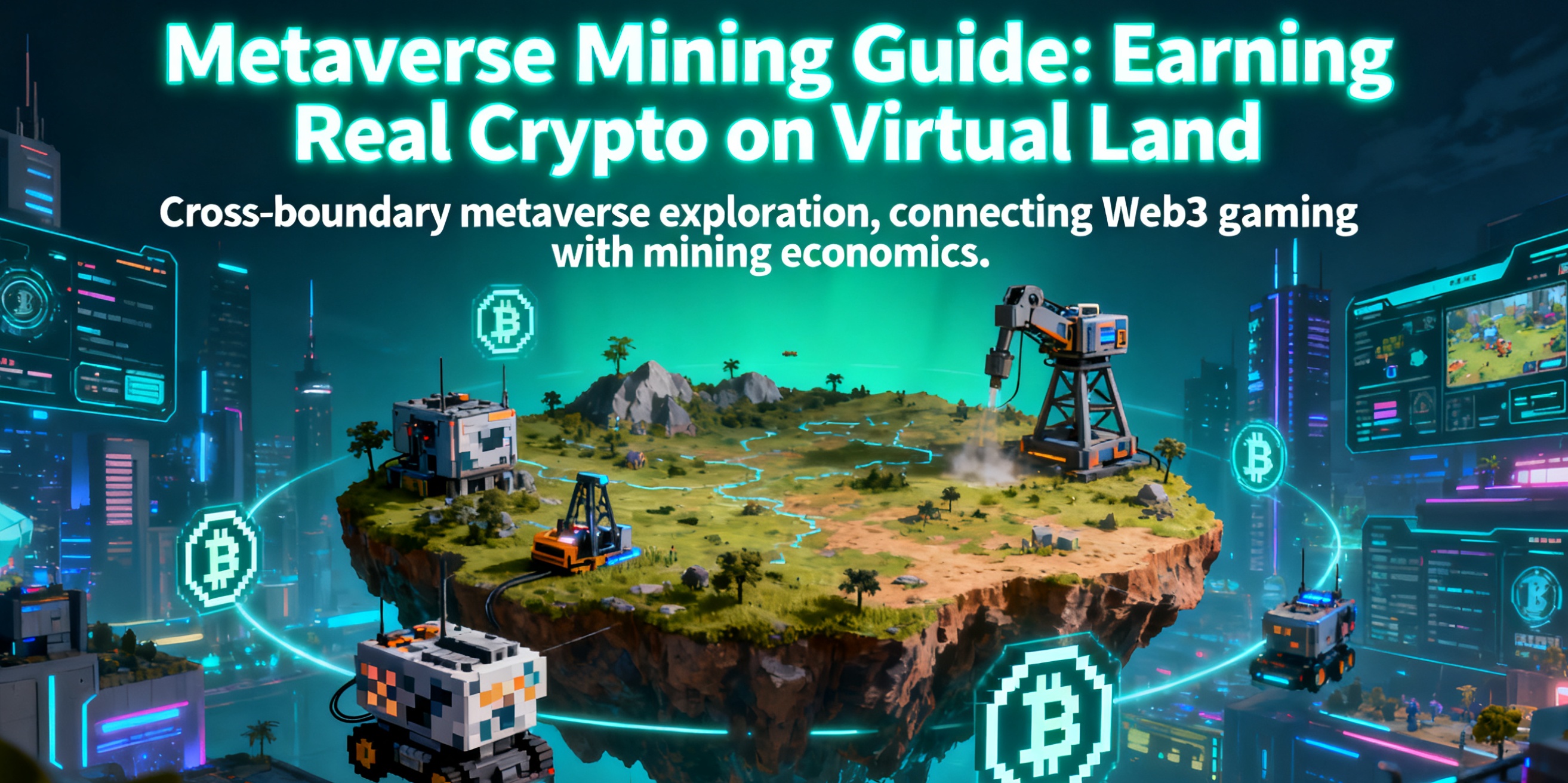
Bitcoin mining remains a cornerstone of the cryptocurrency world, but the question of how to mine Bitcoin for profit has become significantly more complex. Gone are the days of profitable mining on a home computer. Today, it's a high-stakes industry dominated by specialized hardware and large-scale operations. This guide breaks down the modern realities of Bitcoin mining and the pathways to potential profit.
At its core, Bitcoin mining involves using computational power to solve complex mathematical puzzles. Successful miners validate new transaction blocks on the Bitcoin blockchain and are rewarded with newly minted bitcoins and transaction fees. This process secures the network and introduces new coins into circulation.
The primary requirement for modern Bitcoin mining is specialized hardware called an ASIC (Application-Specific Integrated Circuit). These machines are designed solely for the SHA-256 algorithm that Bitcoin uses. Consumer-grade CPUs or GPUs are no longer viable. The efficiency of your ASIC, measured in joules per terahash (J/TH), is the most critical factor for profitability, as electricity cost is your largest ongoing expense.
Before investing a single dollar, you must calculate potential profitability. Use an online Bitcoin mining calculator. You will input your ASIC's hash rate, power consumption, the cost of electricity per kilowatt-hour (kWh), and the current Bitcoin price and network difficulty. This calculation will show if your operation can be profitable. Even a slight variation in power cost or Bitcoin's price can turn profit into loss.
For most individuals, joining a mining pool is the only practical option. A mining pool combines the hash power of all its participants to increase the chances of solving a block. Rewards are then distributed based on contributed work. While you receive smaller, more frequent payouts, this provides a steady income stream compared to the near-impossible odds of mining a block solo.
Your profit is essentially: (Bitcoin Earned) - (Cost of Electricity + Hardware + Maintenance). Locations with very low-cost electricity (often near renewable sources like hydro or geothermal) have a massive advantage. Cooling the noisy, hot-running ASICs is another significant operational cost and challenge. Consider all these factors as part of your business plan.
Cloud mining involves renting mining power from a large data center. You pay for a contract and receive a share of the mined bitcoin. While it removes the hassles of hardware and setup, it is fraught with risk. The market has many fraudulent schemes, and even legitimate contracts often struggle to be profitable after fees. Extreme caution is required.
Bitcoin mining in 2024 is a capital-intensive business, not a hobby. Success requires access to ultra-cheap electricity, efficient latest-generation hardware, and a high tolerance for risk given Bitcoin's price volatility and the ever-increasing network difficulty. For the vast majority, buying Bitcoin directly on an exchange is a simpler and less risky investment. However, for those with the right resources and expertise, mining can be a way to earn bitcoin while supporting the network's infrastructure.
Laisser un commentaire