How to Mine Bitcoin: A Beginner's Step-by-Step Guide (2024)
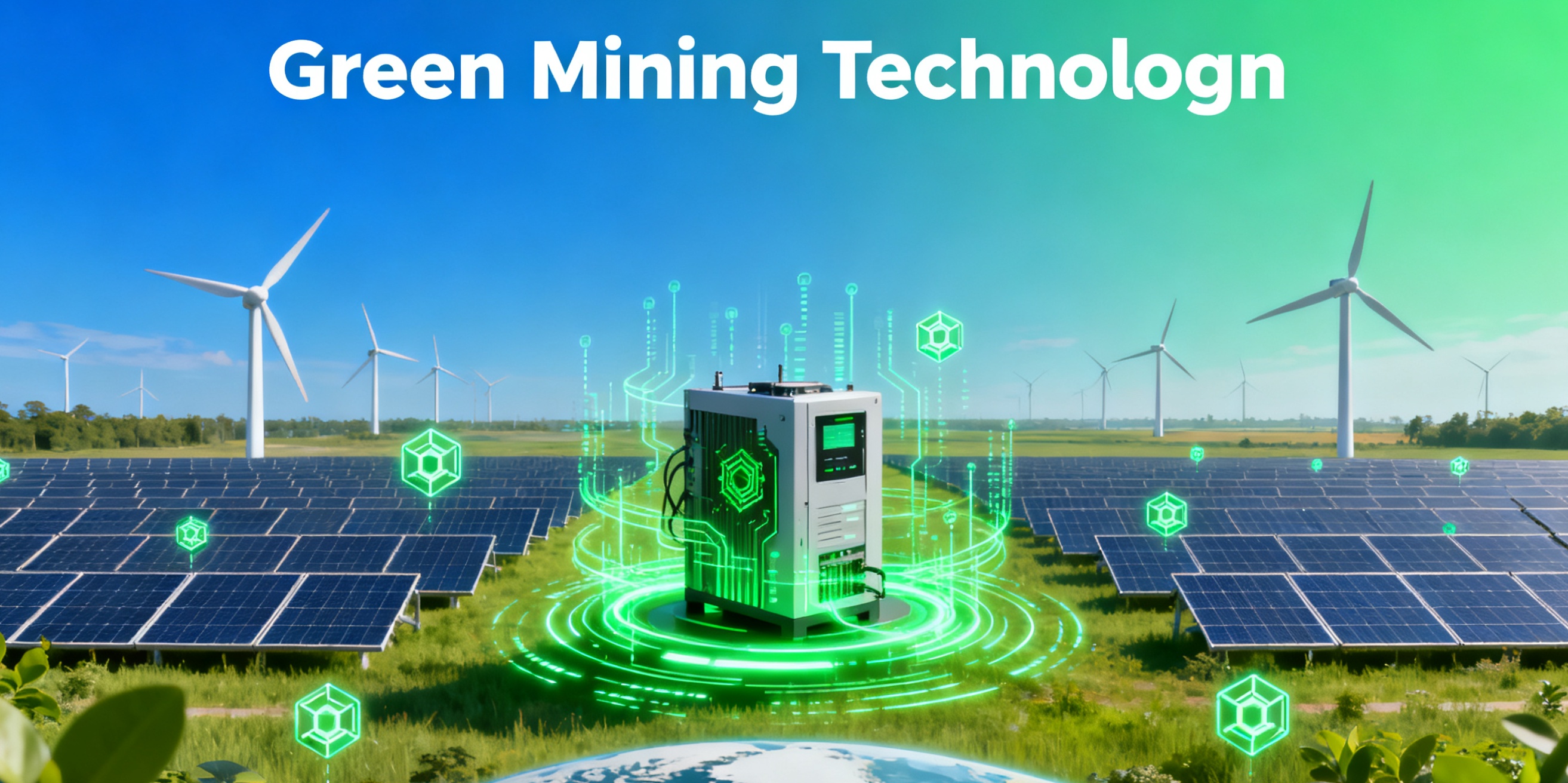
Bitcoin mining is the process that secures the network and creates new coins. For beginners, it can seem complex, but this guide breaks down the essentials to help you start.
First, understand what mining is. Miners use powerful computers to solve complex mathematical puzzles. The first miner to solve the puzzle gets to add a new block of transactions to the Bitcoin blockchain and is rewarded with newly minted Bitcoin and transaction fees. This process verifies and secures all transactions.
Today, you cannot mine effectively with a regular laptop. You need specialized hardware called ASIC miners. These machines are designed solely for mining Bitcoin and consume significant electricity. Before buying anything, calculate potential profitability. Consider the cost of the miner, your local electricity rate, the mining difficulty, and the Bitcoin price. Many online calculators can help with this.
You will also need mining software to connect your hardware to the blockchain. Options include CGMiner, BFGMiner, and others. Crucially, you must join a mining pool. A pool is a group of miners who combine their computational power to increase the chance of solving a block. Rewards are then shared among members based on contributed power. Solo mining is highly unlikely to yield results for a beginner.
Once your hardware and software are ready, you'll need a Bitcoin wallet to receive your rewards. Choose a secure wallet, whether hardware, software, or mobile. Never use an exchange address directly for pooled mining.
The final step is setting up and monitoring. Configure your mining software with details from your chosen pool. Ensure your mining rig has excellent ventilation and cooling, as ASICs generate a lot of heat. Monitor your setup's performance and profitability regularly.
Be aware of major challenges. The primary cost is electricity. Mining can be unprofitable if your power costs are too high. The network mining difficulty also increases over time, meaning your hardware produces less over its lifetime. Always be mindful of security, protecting your wallet and pool login details.
Is mining right for you? If you have access to cheap electricity, can handle technical setup, and view it as a high-risk, long-term investment, it may be worth exploring. For most beginners, however, the high entry cost and operational complexity make simply buying Bitcoin from a reputable exchange a more practical option. Mining is now largely an industrial activity, but understanding it provides deep insight into how Bitcoin operates.
Оставить комментарий