How to Mine Bitcoin at Home: A Beginner's Guide to Using Your Computer
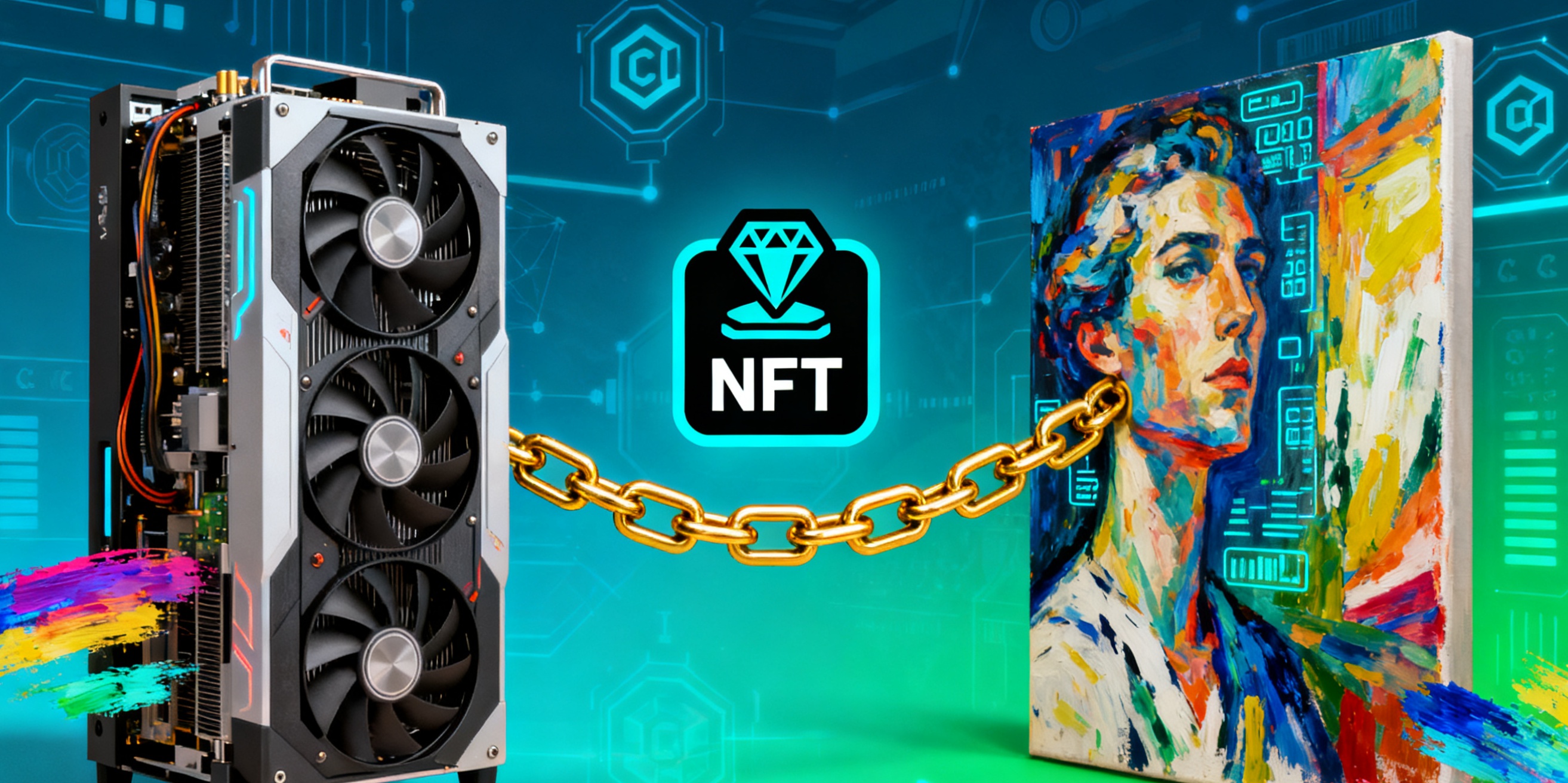
With the rise of cryptocurrency, many wonder if they can use their home computer to mine Bitcoin. While the landscape has changed dramatically since Bitcoin's early days, understanding the process remains crucial. This guide explains how Bitcoin mining works with a computer and what you can realistically expect today.
Bitcoin mining is the process of validating new transactions and securing the Bitcoin network. Computers, or miners, compete to solve complex mathematical puzzles. The first to solve the puzzle gets to add a new block of transactions to the blockchain and is rewarded with newly minted Bitcoin and transaction fees. This process is known as Proof-of-Work.
In the beginning, mining was possible with a standard Central Processing Unit (CPU). Early adopters could mine hundreds of Bitcoin using just their desktop computers. However, as Bitcoin gained popularity and value, miners sought more powerful hardware to increase their chances of earning rewards. This led to an arms race, progressing from CPUs to Graphics Processing Units (GPUs) and eventually to specialized hardware called Application-Specific Integrated Circuits (ASICs).
Today, mining Bitcoin with a standard computer is not profitable. The network difficulty is astronomically high, and ASIC miners, which are thousands of times more powerful and energy-efficient than CPUs or GPUs, dominate the field. Attempting to mine with a laptop or desktop will likely result in earning less Bitcoin than the cost of the electricity consumed, leading to a net loss.
Despite this, you can technically still mine with your computer. You would need to join a mining pool, which is a group of miners who combine their computational power to increase the chance of solving a block. Rewards are then shared proportionally based on the contributed power. To start, you would need a Bitcoin wallet, mining software compatible with your hardware, and to choose a reputable mining pool. However, even in a pool, the contribution and subsequent reward from a single computer are minuscule.
For those interested in cryptocurrency mining with a computer, there are alternative options. Some other cryptocurrencies, known as altcoins, are still designed to be mined with GPUs or even CPUs. These coins have lower network difficulty, making them more accessible for home miners. Additionally, cloud mining services allow you to rent mining power from a remote data center, though thorough research is needed to avoid scams.
Before you consider any form of mining, calculate your potential profitability. Factor in the cost of your hardware, its hash rate (computational power), power consumption, electricity costs in your area, and the current network difficulty. Many online mining calculators can help you run these numbers. For most individuals, the high upfront and ongoing energy costs make traditional Bitcoin mining unviable.
In conclusion, while learning how to mine Bitcoin with your personal computer is a valuable educational exercise, it is no longer a practical way to earn income. The barrier to entry is high, dominated by professional ASIC miners in industrial-scale operations. For hobbyists, exploring GPU-mineable altcoins or participating in the ecosystem through other means may be more rewarding. Always prioritize understanding the costs and risks before investing time or money into cryptocurrency mining.
Kirim Komentar