How Does Bitcoin Mining Work? A Simple Guide to Earning New Bitcoins
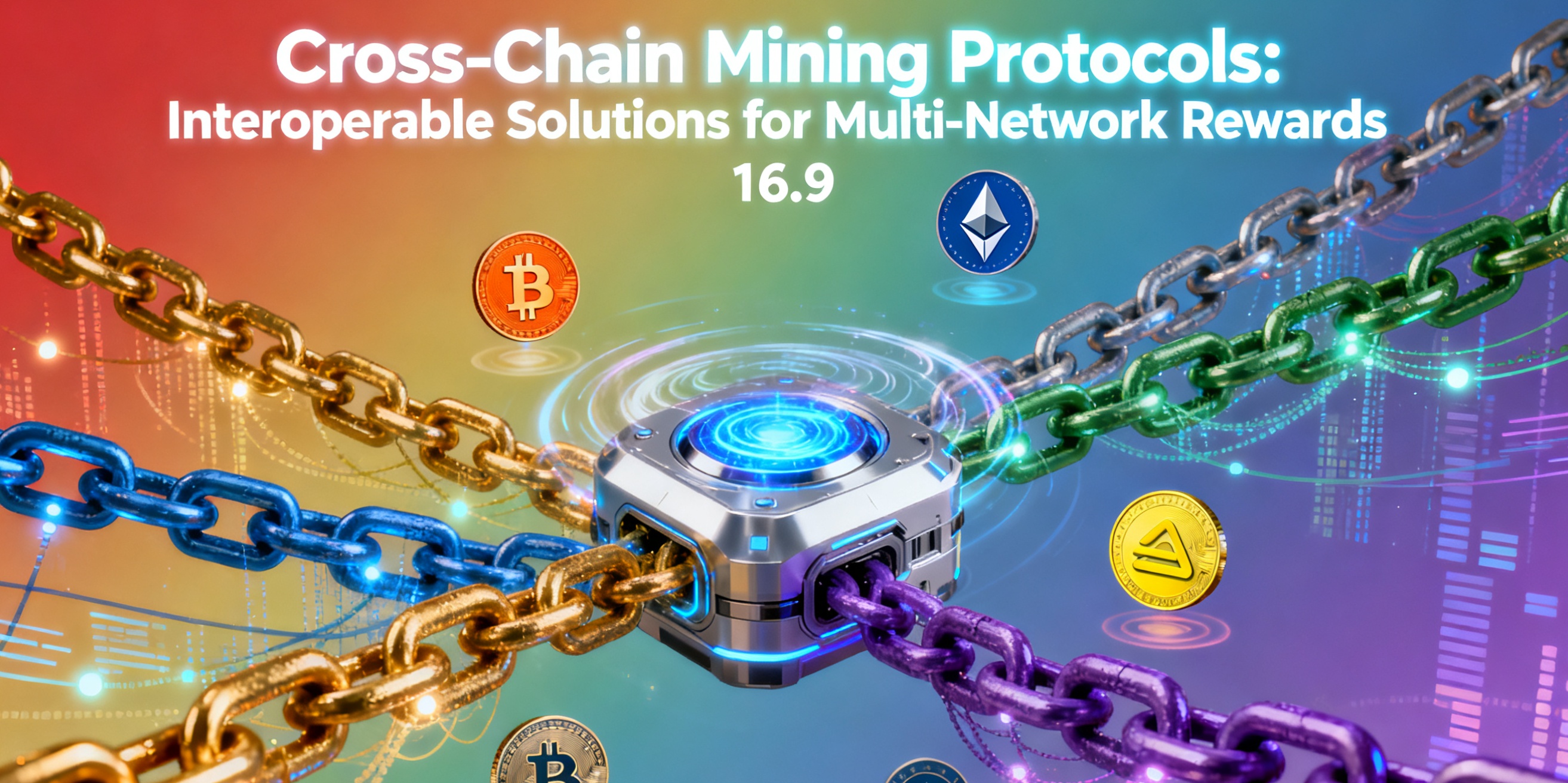
Many people hear that Bitcoin is "mined" and picture digital pickaxes and hard hats. But how does mining actually generate new Bitcoin? At its core, Bitcoin mining is a decentralized computational process that secures the network, validates transactions, and introduces new coins into circulation. It's the engine that powers the entire Bitcoin blockchain.
Think of the Bitcoin blockchain as a massive, public ledger that records every transaction. This ledger is organized into blocks, which are added approximately every ten minutes. Miners compete to be the one to add the next block. Their primary job is to bundle pending transactions together and solve an extremely complex cryptographic puzzle. This puzzle requires trillions of guesses per second, demanding immense computing power, typically from specialized hardware called ASICs (Application-Specific Integrated Circuits).
The process of solving this puzzle is called "proof of work." It is intentionally difficult and energy-intensive to ensure that no single entity can easily dominate the network or alter past transactions. The first miner to find the correct solution broadcasts it to the entire network. Other nodes then quickly verify the answer. If it's correct, the new block is added to the chain, and the successful miner receives a reward.
This reward is how new Bitcoin is generated. It consists of two parts: the block subsidy and the transaction fees. The block subsidy is a set amount of brand-new Bitcoin created out of thin air and given to the miner. This is the primary way the Bitcoin supply increases. However, this subsidy is programmed to halve approximately every four years in an event called the "halving." Starting at 50 BTC per block in 2009, it has halved several times and will continue until the total supply reaches 21 million coins, making Bitcoin a deflationary asset.
The second part of the miner's reward comes from the fees attached to the transactions they include in the block. Users can voluntarily add these fees to incentivize miners to prioritize their transactions. As the block subsidy continues to diminish over decades, transaction fees are designed to become the main incentive for miners, ensuring the network remains secure even after all Bitcoins are mined.
Therefore, mining generates Bitcoin through a carefully designed incentive system. Miners invest in hardware and electricity to perform the critical work of securing and maintaining the blockchain's integrity. In return, they earn the right to claim the block reward, introducing new coins into the ecosystem. This process is not about discovering coins hidden in the code, but about being compensated for valuable, real-world computational work that makes the decentralized Bitcoin network trustworthy and functional.
In summary, Bitcoin mining is a competitive process where powerful computers validate transactions and secure the network by solving complex puzzles. The winner earns the privilege to add a new block to the blockchain and is rewarded with newly minted Bitcoin and transaction fees. This elegant system simultaneously distributes new currency in a predictable way and protects the network from fraud, all without the need for a central bank or authority.
Post a Comment